
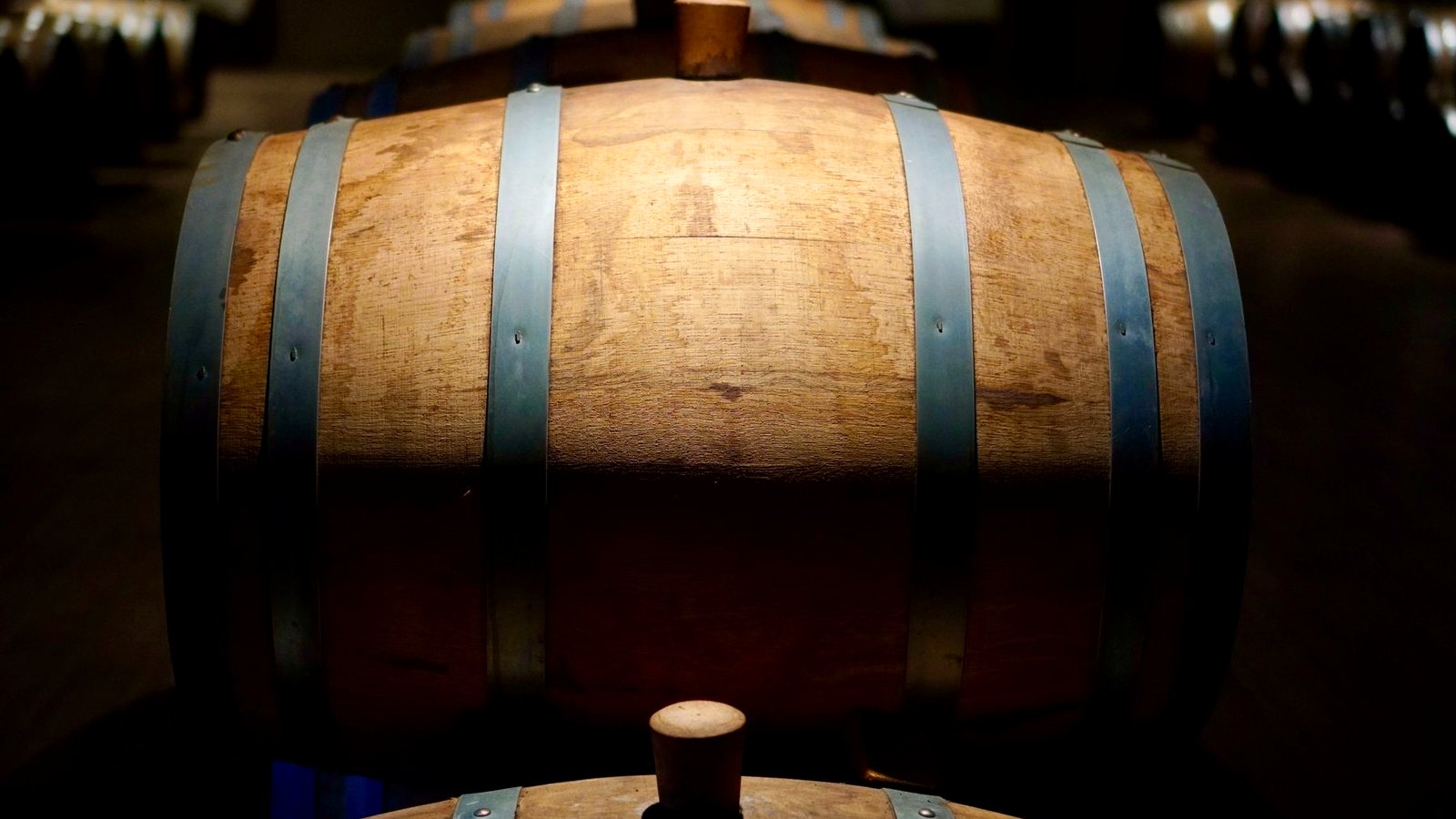
Look at a row of agave spirits on a shelf and the colors run from clear as spring water to deep amber. Most of that difference comes down to one thing, which is how long the spirit spent resting in wood. The labels use three Spanish words to tell you: joven, reposado and añejo. They are simple once you have seen them side by side.
The three words
- Joven means young. The mezcal goes into the bottle without a rest in wood, so it is clear, and what you taste is the agave, the cooking and the distillation.
- Reposado means rested. The spirit spends time in wooden containers, at least two months under the rules for mezcal, and picks up a pale golden color and some of the flavors of the wood.
- Añejo means aged. It spends at least a year in wood, and tends to be darker, rounder and more marked by the wood.
Tequila, a respected neighbor in the agave family, uses the same three words in much the same way, which is one reason they feel familiar the first time you meet them on a mezcal label.
What aging does
Time in wood changes a spirit in a few predictable directions. It adds flavors that come from the wood itself, often described as vanilla, toasted spice or caramel. It can soften the edges of a high proof spirit. It gives color. And it shifts the balance of the glass, so that the wood speaks a little louder and the agave and smoke speak a little quieter.
Some people love that shift, especially for slow sipping at the end of a meal. It is a style choice, the way a lightly toasted bread and a dark rye are both bread.
What aging does not do
Here is where a few myths hang around. Aging does not automatically make a spirit better, and a darker color is not the same as higher quality. A spirit can be beautifully made and bottled young, or heavily aged and unremarkable. It is a choice, not a ranking.
It also has nothing to do with the age of the agave. The plants that go into Aldez Mezcal take years to mature before harvest: Espadín 7 to 9 years, Tobalá 12 to 13, and Jabalí 14 to 18. That is the long clock in mezcal, and it ticks in the field before the pit oven is ever lit. Time in wood is a separate step that comes later, and not every mezcal takes it.
Finally, aging does not add smoke. Smoke comes from cooking the agave in a stone-lined pit oven. Wood rests can add spice and sweetness, but the smoke is already there or it is not.
Why Aldez Mezcal is Joven
Both Aldez expressions are Joven, and the label says so right under the words Mezcal Artesanal. Ensamble, a blend of three agaves at 45% ABV (90 proof), and Espadín, a single agave at 44% ABV (88 proof), go to the bottle after the water is mixed in, without additives. That means what you taste is the work done in the field, the pit, the tahona, the wooden tanks and the copper stills.
It also means you can follow the flavors back to their source. Cooked agave and green apple in Espadín. Campfire, subtle smoke and a long semi-sweet finish in Ensamble. If you are just starting out with mezcal, a Joven is a clear way to learn what the spirit tastes like, since there is no barrel standing in between.
The best way to understand any of this is to taste it. Pour a small amount of Joven in a glass, look at the clear color, and take your time. Quench your curiosity, one sip at a time.
Please enjoy responsibly.