
Mezcal comes with its own vocabulary, and some of it can feel like a locked door. It is not. Most of these words describe something you can picture: a stone wheel, a clay cup, a pit in the ground. Keep this list handy the next time a label or a bartender throws an unfamiliar term your way.
At the palenque
- Palenque: a mezcal distillery, the place where agave is cooked, milled, fermented and distilled.
- Maguey: another word for agave, widely used in Mexico.
- Piña: the heart of the agave once the long leaves are trimmed away. The name comes from its resemblance to a pineapple.
- Pit oven: an oven dug into the earth, lined with stone, where agave cooks slowly under heat and soil. Ours is a stone-lined conical pit oven, and it is a big part of mezcal’s signature smoke.
- Tahona: a large stone wheel that rolls over cooked agave to crush it. Aldez Mezcal is milled with a tahona.
- Mezcalero: a person who makes mezcal. A maestro mezcalero is the one who guides production and carries the experience to judge each stage.
- Natural fermentation: crushed agave ferments on its own, without added yeast or additives. Ours takes place in wooden tanks.
- Copper pot still: the traditional still where the fermented liquid is distilled. Mezcal is distilled twice.
- Heads, hearts and tails: the parts of a distillation run. The maker decides where to separate them, and that choice shapes the final spirit.
In the glass
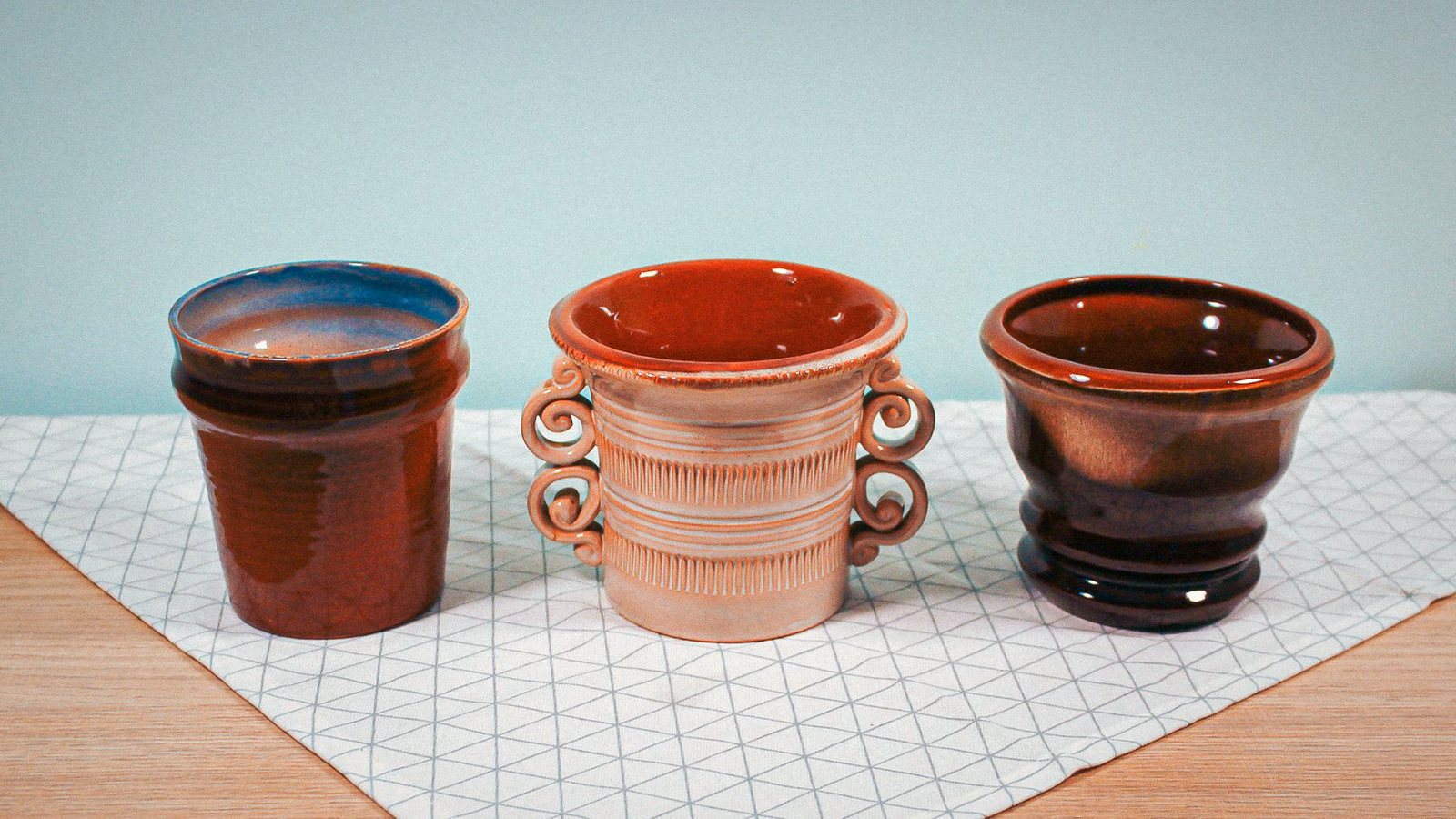
- Copita: a small cup for sipping mezcal, often wide enough to let you smell what you are about to taste.
- Ensamble: a blend of agaves. Our Ensamble combines three, and every production is unique.
- Espadín: the best-known agave used for mezcal (Agave Angustifolia). It takes 7 to 9 years to mature in our case. Our Espadín bottling is a single agave and not as smoky as traditional espadíns.
- Jabalí and Tobalá: two more agaves in Ensamble. Jabalí brings notes of earth, herbs and melon, and Tobalá offers lemon, banana and cacao.
- Wild agave: agave that grows on its own rather than being planted and farmed. It tends to take many years to mature.
- Pechuga: a special style in which mezcal is distilled a third time with fruit, nuts, spices and a raw poultry breast hung in the still. It is a different tradition from a joven, and a fascinating one to try if you come across it.
- Neat: poured on its own, with no ice or mixer. A good way to taste mezcal slowly.
On the label
- Joven: Spanish for young. A joven mezcal is typically bottled without aging in wood, so you taste the agave, the cooking and the distillation directly. Aldez Mezcal is a joven.
- Artesanal: one of the official mezcal categories, made with traditional methods. It appears on the label as “Mezcal Artesanal.”
- 100% agave: the spirit is made only from agave sugars, with no other sugar sources added.
- Denominación de Origen Protegida (DOP): a protected designation that ties the name mezcal to specific regions and rules of production.
- ABV and proof: alcohol by volume is the percentage of alcohol in the bottle. In the United States, proof is double that number, so 45% ABV is 90 proof.
- Elevation: some labels list how high the village sits. Ours reads 4,186 ft for San Juan del Río, Oaxaca.
- Lot: the number that identifies the production run the bottle came from.
Words are only half the fun. Pour a small taste, say the terms out loud and see which ones come to life in the glass. Cheers is “Dixeebe,” by the way, and it is printed on our back label.
Please enjoy responsibly.