
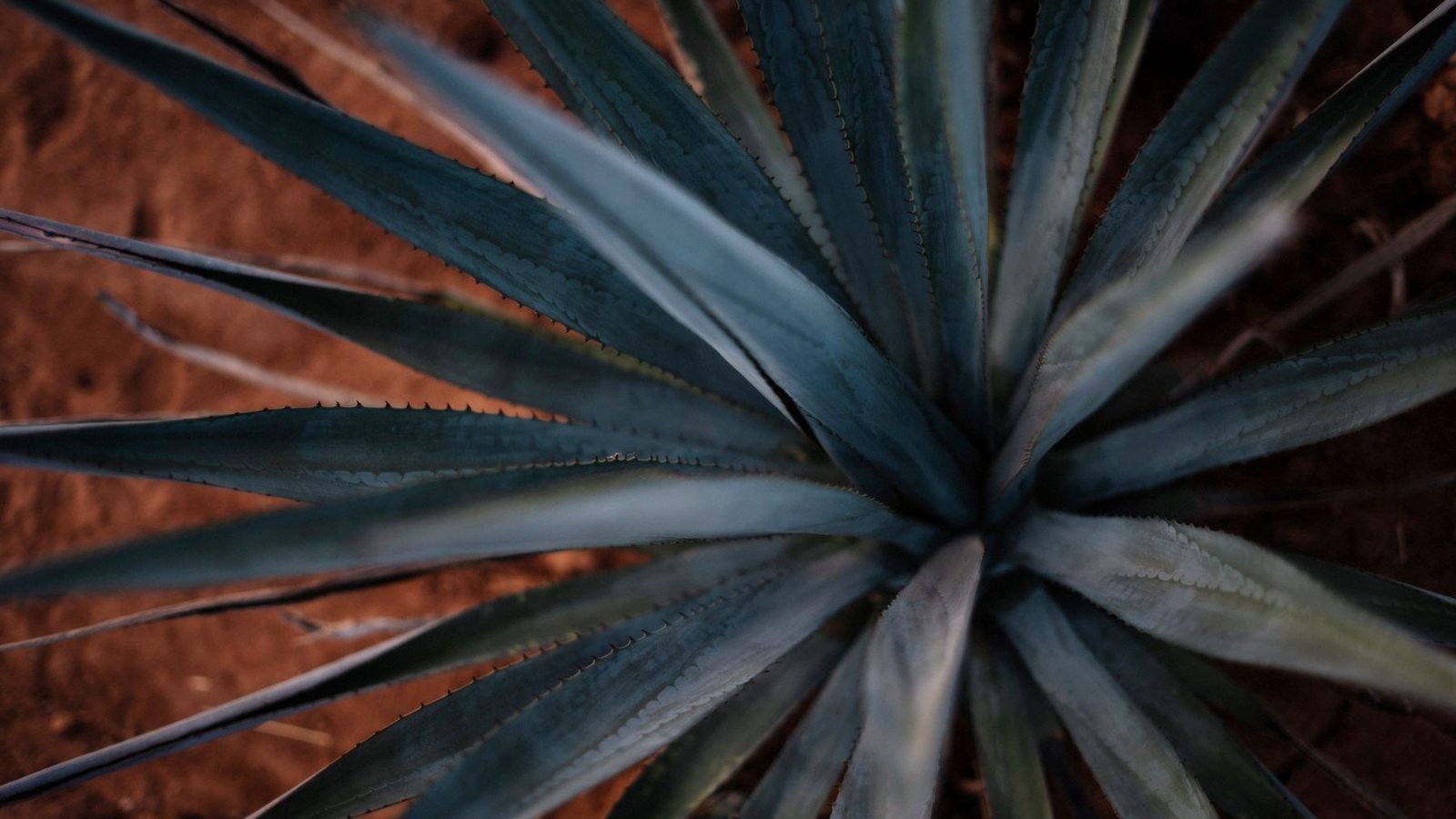
Plant an agave and you wait. Espadín takes 7 to 9 years. Tobalá takes 12 to 13. Jabalí takes 14 to 18. Those are the three agaves in Aldez Mezcal Ensamble, and none of them can be hurried. Everything else about the spirit, from the cooking to the fermenting to the bottling, happens only after that long wait is over.
Three clocks, one bottle
Each agave has its own pace. Espadín, the botanical Agave Angustifolia, is the quickest of the three, and it gives the blend its green apple, pear and caramel. Jabalí, Agave Convallis, is the slowest, and it brings earthy, herbal notes with cinnamon, sage and melon. Tobalá, Agave Potatorum, sits in between and adds cooked agave, cacao and pepper.
When you sip Ensamble, you are tasting three different spans of time at once. A single bottle holds plants that spent very different stretches of years growing. That is a lot to carry in 750 ml, and it is one reason every production is unique.
What wild means
Two of the three agaves in Aldez Mezcal are wild. That means they were not planted in rows and tended like a crop. They grow on their own, and they are harvested when they are ready. Each plant is harvested once, so there is no quick second round. Patience here is not a slogan, it is the actual production schedule.
This is also why we describe the mezcal the way we do. Aldez Mezcal is not certified, and it will not be. Two of the three agaves are wild, which puts certification out of reach. What we can say plainly is this: Aldez Mezcal is naturally organic and additive free, and the reason is simple. Two of the three agaves grow wild, and nothing is added to the mezcal in the process. We would rather give you that reason than a badge.
What patience tastes like
We will not claim that age alone makes a flavor, because it does not work that way. What we can offer is what is in the glass. Ensamble opens with cooked agave and campfire, settles into subtle smoke, agave and earth, and finishes long and semi-sweet. Each of the three agaves has its own voice in that sentence, and the blend lets you hear them together.
Patience also shows up in how the mezcal is made once the agave arrives. The heart of the plant is cooked in a stone-lined conical pit oven, crushed with a tahona, naturally fermented in wooden tanks, and double distilled in copper pot stills. None of those steps are fast, and none of them are meant to be. They respect the time the plant already spent growing.
That respect is what we mean by tradition, and it is part of our mission at Drink Good Spirits: to make small-batch spirits that put the planet first. Slow plants and simple methods are one way to do that.
Next time you pour a glass, give it a moment before the first sip. Let the nose open up. Think of the years that went into it, then taste it slowly and decide what you find. Quench your curiosity, and take your time doing it.
Please enjoy responsibly.