
Long before a bottle reaches a glass, a plant has to grow for the better part of a decade, and sometimes much longer. That slow start shapes everything that follows. Here is how Aldez Mezcal goes from agave to bottle, one step at a time, in plain terms.
Growing, harvesting and the piña cut
Aldez Mezcal comes from San Juan del Río, Oaxaca, at an elevation of 4,186 ft. The agaves behind it are Espadín, which takes 7 to 9 years to mature, Tobalá, which takes 12 to 13 years, and Jabalí, which takes 14 to 18 years. Two of the three are wild. Nothing about this stage is quick, and nothing later can make up for a plant that was harvested before it was ready.
When an agave is ready, it is harvested. Then comes the piña cut: the leaves are trimmed away so that the heart of the plant, called the piña (Spanish for pineapple, which it resembles), is what moves on to the oven.
Fire and stone
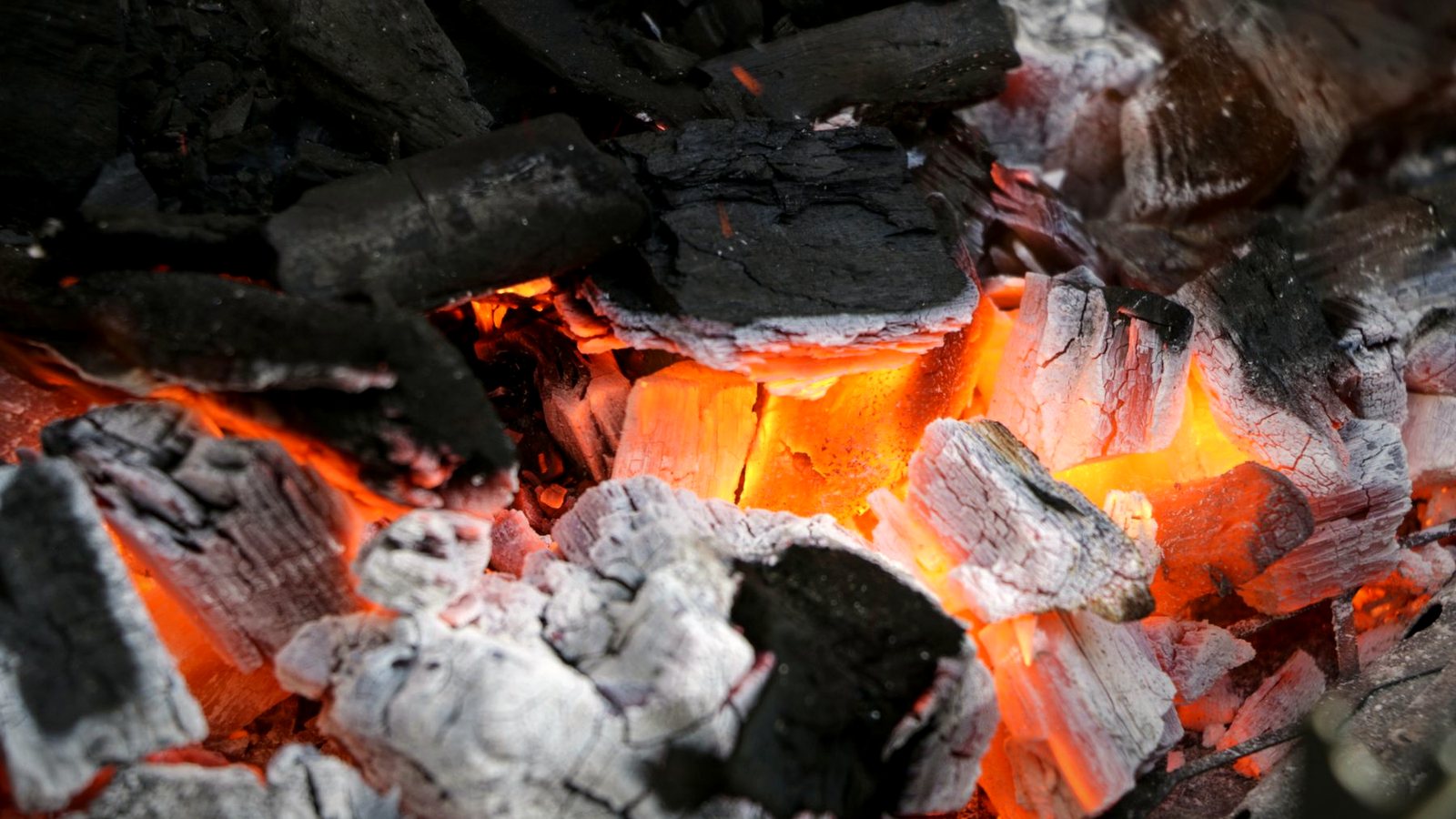
The piñas are cooked in a stone-lined conical pit oven. Cooking turns the plant’s starches into sugars that can later ferment, and it softens the tough fibers so the agave can be crushed. It is also where cooked agave flavor, and some of the smoke people associate with mezcal, begins. The word mezcal itself comes from the Nahuatl mexcalli, which is usually translated as oven-cooked agave.
Next, the cooked agave is crushed by tahona, a large stone wheel that rolls over it to release the sweet juice and the fibers. It is a slow, physical, traditional method, and it takes the place of a mechanical mill.
Wood and copper
The crushed agave goes into wooden tanks for natural fermentation, where its sugars turn into alcohol. Nothing is added to the mezcal along the way.
That fermented liquid is then double distilled in copper pot stills. Distilling twice separates and concentrates the spirit, and pot stills work in batches, which suits a small-batch approach. Copper has long been a favorite material for stills, and it is the one used here.
Water, bottle and label
Distillation produces a spirit stronger than the one you pour, so it is mixed with water to reach its bottling strength: 45% ABV (90 proof) for Ensamble and 44% ABV (88 proof) for Espadín. Then it is bottled and labeled. The bottles are recycled glass, the corks are upcycled, and the paper and labels are eco-friendly.
Every production of Ensamble is unique, because it is a blend of three agaves, and each bottle carries a lot number on its label so you can tell one from the next.
You can taste the steps if you pay attention. Ensamble has a nose of cooked agave and campfire, which points straight back to the pit oven. Espadín, a single agave, is not as smoky as traditional espadíns, with cooked agave, green apple and wood on the nose, a good reminder that the pit is only one voice in the chorus.
Next time you pour, think of the years behind each sip, then take your time with it. Quench your curiosity: it is a good story to taste.
Please enjoy responsibly.