
Behind every bottle of mezcal there is a series of decisions. When is the agave ready? How long should it cook? When is the fermentation finished? Where does one part of the distillation end and the next begin? The person who answers those questions is the maestro mezcalero, and the answers show up in the glass.
Two words, one craft
A mezcalero is someone who makes mezcal. Maestro means master or teacher. Put together, the title describes the person who leads production and carries the experience to judge each stage. It is not a job that is learned from a manual alone. Much of the knowledge comes from doing the work, batch after batch, and from learning to trust what the senses tell you.
That matters because mezcal is made by hand, in stages, with natural variables at every step. Weather changes. Agave plants differ. No two cooks or fermentations behave in exactly the same way.
What the maestro pays attention to
In general terms, a maestro mezcalero is watching over the whole path from field to bottle:
- The agave. Plants that take 7 to 18 years to mature are not harvested casually. Judging when an agave is ready is part of the craft.
- The cook. In a stone-lined conical pit oven, agave hearts cook slowly under heat and earth. Color, softness and aroma tell an experienced eye when the cook is right.
- The milling. Cooked agave is crushed, in our case with a tahona, a large stone wheel, so the sweet juice and fiber are released.
- The fermentation. Natural fermentation in wooden tanks takes as long as it takes. Nothing is added to speed it up, so the maestro watches, smells and tastes to know when it is done.
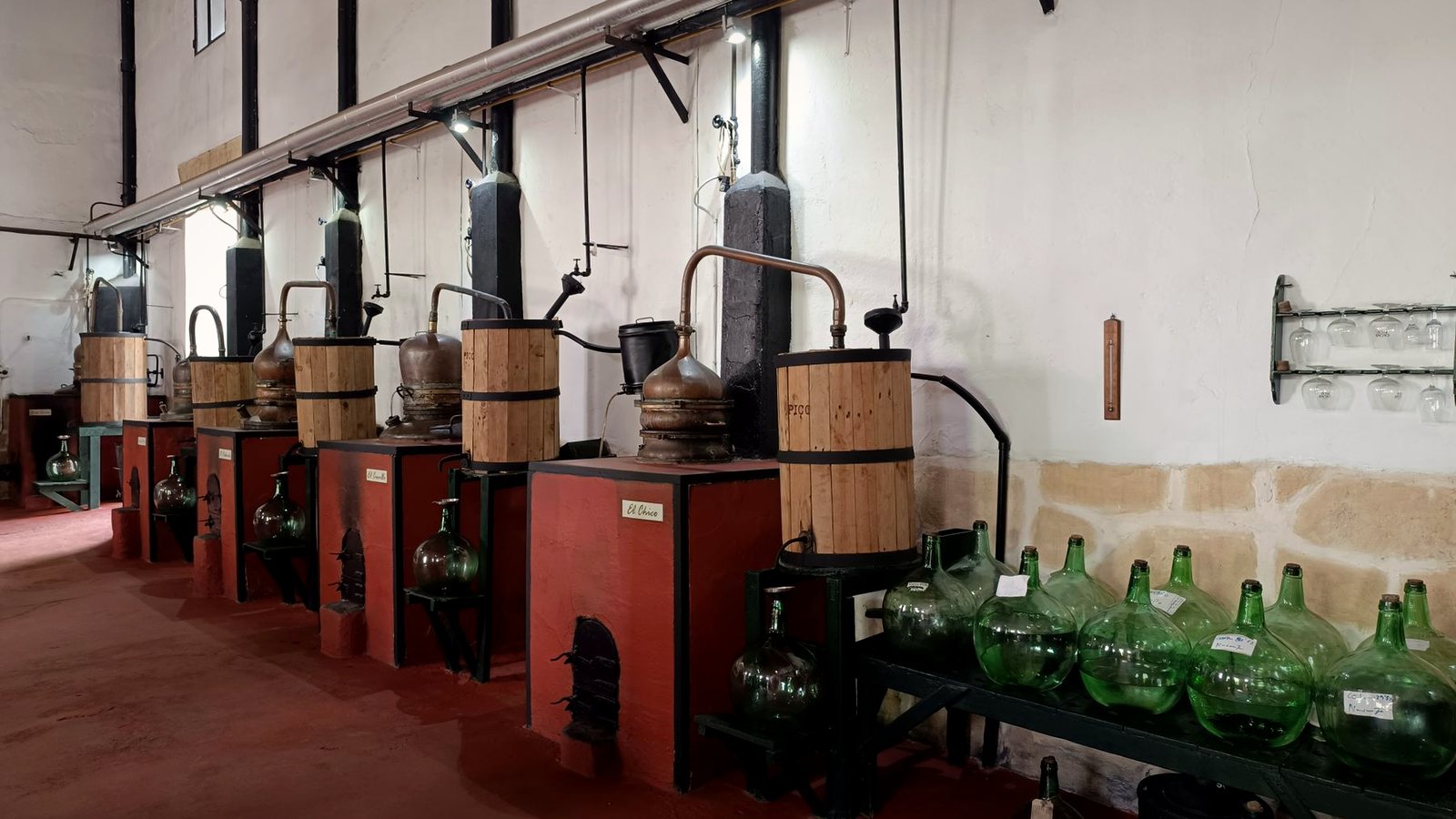
- The distillation. Double distillation in copper pot stills produces different parts of the run, often called heads, hearts and tails. Choosing where to separate them shapes the character of the mezcal.
- The final mix. Water is added to bring the spirit to its bottling strength, and the result is tasted again.
Our Maestro Mezcalero
Aldez Mezcal’s Maestro Mezcalero is Humberto Juan “El Güero” Hernández. We would rather explain what the title means than decorate it with stories, so that is the introduction: a name, and a role that asks for patience, attention and a very good palate.
It is a role that fits the way we make Ensamble, a blend of three agaves in which every production is unique. When each batch has its own character, the person guiding the process is part of what makes it worth tasting with care.
Taste with the maker in mind
The next time you pour a mezcal, try reading it as a set of choices. Does the nose lean toward cooked agave and campfire? Does the palate show subtle smoke, agave and earth? Is the finish long and semi-sweet, as Ensamble’s is? Each of those traits connects back to a decision someone made at the palenque, the place where mezcal is produced.
Notice the cook in the smoke, the fermentation in the fruit and earth, and the distillation in how clean or round the finish feels. You do not need to be an expert to do this. You only need a small pour, a little time and the willingness to ask what you are tasting and why.
If you are curious about the craft, start with a copita of Aldez Mezcal, sip slowly and let the questions come. It is an easy way to Experience More.
Please enjoy responsibly.